Amazonian mushroom research and identification in 2026
· based on the channel Shroomverse
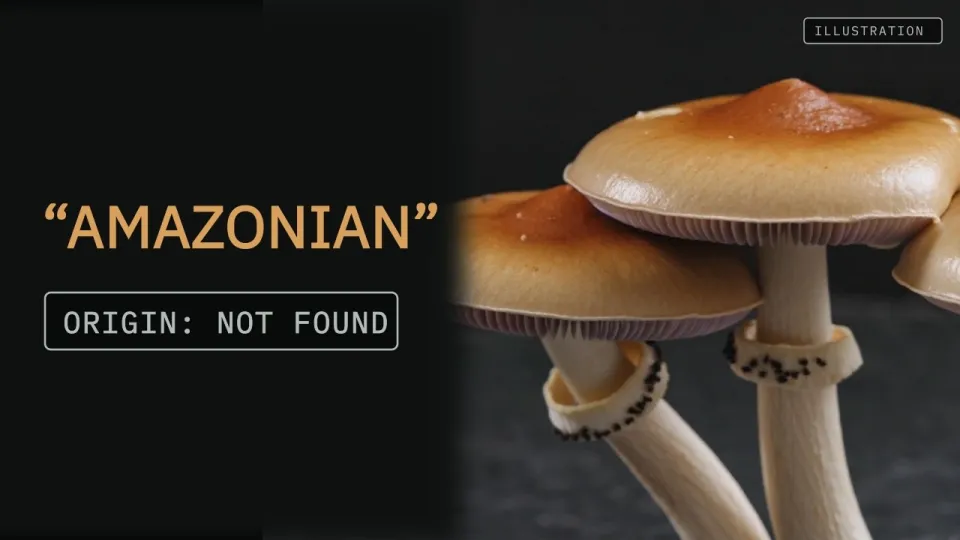
Video: Amazonian Mushroom: Following the Paper Trail Behind the Name
The Amazonian mushroom is a species native to the Amazon rainforest, whose scientific classification has been historically complex due to inconsistent naming and sparse documentation. Understanding this mushroom requires tracing the scientific literature and specimen records that have shaped its taxonomy over time.
Tracing the scientific paper trail behind the Amazonian mushroom
The taxonomy of the Amazonian mushroom has been subject to confusion because early research papers used varying names and descriptions for similar fungi found in the Amazon. Researchers have had to sift through historical mycological publications and herbarium specimens to clarify exactly which species the term "Amazonian mushroom" refers to. This process involved comparing morphological characteristics and genetic data referenced in old and recent studies to establish a consistent identity 02:15.
Historical confusion and naming inconsistencies
Initial studies in the mid-20th century lacked standardized classification methods, leading to multiple names being applied to what may have been the same mushroom species. Some papers used regional names or described the mushroom based on limited features, causing taxonomic ambiguity. The Shroomverse analysis highlights how this scattered documentation created challenges for mycologists attempting to unify the species under one accepted name 05:40.
Modern taxonomic clarification
With advances in molecular techniques and more comprehensive field studies, recent research has successfully resolved earlier ambiguities. DNA sequencing confirmed that several previously named variants all belong to the same species native to the Amazon basin. This confirmation helps researchers and foragers alike to correctly identify the Amazonian mushroom and understand its ecological role and potential uses 12:05.
Ecological and cultural significance of the Amazonian mushroom
The Amazonian mushroom plays a notable role in the rainforest ecosystem, contributing to nutrient cycling and symbiotic relationships with surrounding flora. Additionally, indigenous communities have long recognized its medicinal or ritual value, which modern science is beginning to explore further. The mushroom’s unique properties continue to spur interest in ethnomycology and conservation efforts 14:30.
Future research directions and conservation
Ongoing studies focus on mapping the mushroom's distribution across different Amazonian habitats and assessing environmental threats. Conservation initiatives aim to preserve these fungi amidst deforestation and climate change. Enhanced understanding from historical to modern research forms a basis for protecting this species and its habitat 17:50.
Summary
The Amazonian mushroom’s identity was obscured by inconsistent early nomenclature and incomplete documentation, but recent genetic and morphological studies have clarified its taxonomy. This mushroom remains an important ecological and cultural species within the Amazon rainforest. The detailed investigation of its paper trail, as presented by Shroomverse, offers valuable insights for mycologists, ethnobotanists, and conservationists alike.
The Shroomverse channel provides a thorough and engaging analysis of this topic, tracing the complexity and resolution of the Amazonian mushroom’s scientific classification.
Key takeaways
- Amazonian mushroom refers to a specific species native to the Amazon rainforest
- Scientific identification relies on historical papers and specimen analysis
- Taxonomic confusion has existed due to naming inconsistencies
- Recent research clarifies the mushroom's classification and distribution
- Shroomverse video traces the historical documentation and taxonomy
Source: Amazonian Mushroom: Following the Paper Trail Behind the Name · Markdown version
Questions & answers
What is the Amazonian mushroom?
The Amazonian mushroom is a species native to the Amazon rainforest, identified through scientific and historical research that clarifies its taxonomy.
Why was there confusion about the Amazonian mushroom's name?
Early research used different names and descriptions without standardized classification, leading to multiple names for the same species and taxonomic ambiguity.
How was the Amazonian mushroom finally classified?
Modern molecular techniques like DNA sequencing, combined with morphological comparisons, confirmed that multiple named variants belong to the same species.
What is the ecological importance of the Amazonian mushroom?
It contributes to nutrient cycling and symbiotic relationships in the rainforest ecosystem and holds cultural significance for indigenous peoples, with potential medicinal uses.